Friends of Kevin · Cold Plunge Interviews · Guest
Memo
CTO, Open LLM
In the plunge · 5 min 20 s
“For Tech Week we came and for TechCrunch we stayed.”
Memo is CTO of Open LLM, a local routing layer that connects your models, subscriptions and devices into one cluster with shared memory and MCPs.
Clips
Read the transcript
All right. Time starts now. What's your name? What are you building? I'm Memo. I'm the CTO of OpenLLM. We are building the local routing layer for agents. Basically, what we do is we have a software and a desktop app where you can connect your local models, your subscription models, and your API keys. And all your devices get connected like a cluster. They all share shared memory, and they all share an MCP layer. So from our website or desktop app, you can set your memories, your MCPs. We provide included inference, memory credits, and context .dev credits. We just partnered up with them. This way, you have all your things in one layer. And you can run your Claude Code, your Codex CLI, your ChatGPT desktop app. You can use our chat UI to run all of your systems like this. Plus, we have an API layer where you can make a request to our API, and it will find one of your devices, and it will tunnel it. This way, you have access to your setup from anywhere in the world. So how big is the market for this? It's a huge market. Start-ups, small businesses, vibe coders, marketers, designers, everyone needs inference, and we provide you with an ability to spend a lot of tokens. And how much traction? Wait, how do you measure success in this? Active users, paid users. So we are on a subscription plan. Basically, it's $30 a month, and you get infinite routing. So we measure success by our sign-ups and our subscriptions. How many active users do you have now? We have 75 active users. We are getting about 10 active users a day. We have around 1,500 sign-ups. We are ramping up marketing right now. So tell me more about, even though you're the CTO, what's the go-to-market strategy for you guys? Our go-to-market strategy is partnering up with influencers. Twitter. We're getting into TikTok right now. Yeah, we're going to do a lot of partnerships. We have a marketplace for MCPs, so we're rolling out partnerships with big teams. We just partnered up with Context .dev, like I said. They're providing us with some really nice tokens where you can scrape LinkedIn, Twitter, Google, GitHub, and there's more. And tell me more about the tech. What's the hardest thing building the technology? It's been supporting all platforms. Linux, Windows, different versions of Mac, different versions of Linux. Also making sure the tunneling is fast and performant. Plus, we support a variety of platforms like Claude Code and OpenCode, Codex. And making sure everything kind of clicks in. It has been... Yeah, when s*** hits the fan, how do you react? We keep calm. Keep calm. We remember our previous startups. All our experience. And we just know we'll get through it. So we've been talking for 3 minutes and 40 seconds. How cold are you? I'm chilling. You're chilling? Yeah. Are you lying to me? You're trying to keep calm right now? Nah, I love cold. You love cold? Yeah. You're built for this. I'm built for this. You're built for this. Where are you from? I'm from Turkey. What brings you over here to San Francisco? For Tech Week we came and for TechCrunch we stayed. You stayed. So you permanently are living in San Francisco now? No, we're moving here soon. You're moving here soon? Yeah. Okay. What makes this for... What makes San Francisco so magical that you want to fly all the way from Turkey as you stay here? I actually flew from Peru. I'm based in Peru right now. Yeah. Yeah. So, yeah, I mean we wanted to meet the smart people here. There's a lot of smart people. I'm actually very surprised I met a lot of nice people even though it's a big city. Yeah, we love it here. What's next for you with the company? What's next? 20,000 paying users. So, end of this year, you want to hit 20,000 paying users? End of year is 2,000. End of year, 2,000? Yeah.
More interviews
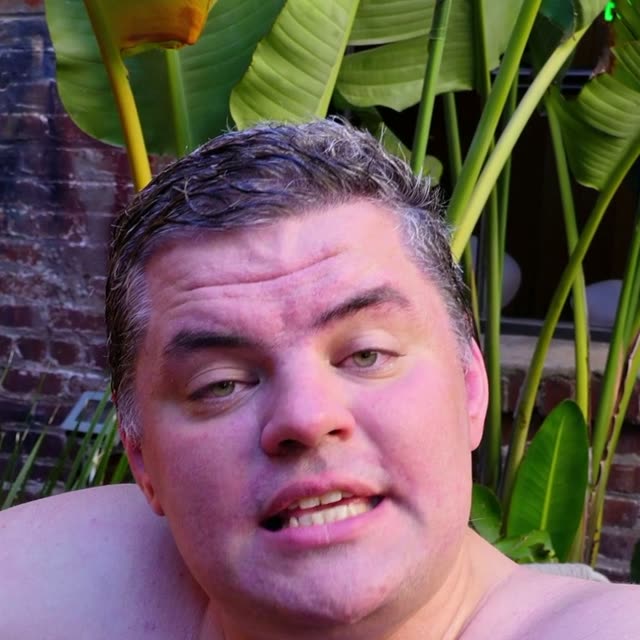
Frank Sondors
Co-founder & CEO, Salesforge
Here, literally every day, you can go to like two to five events and then you can engineer luck.
In the plunge · 4 min 20 s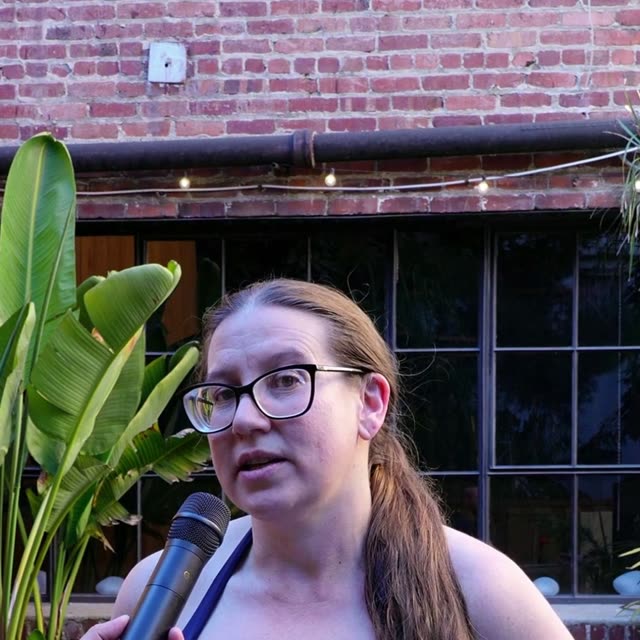
Rachel Flanagan
Voice-restoration medtech
Think of all the times you speak in a day.
In the plunge · 4 min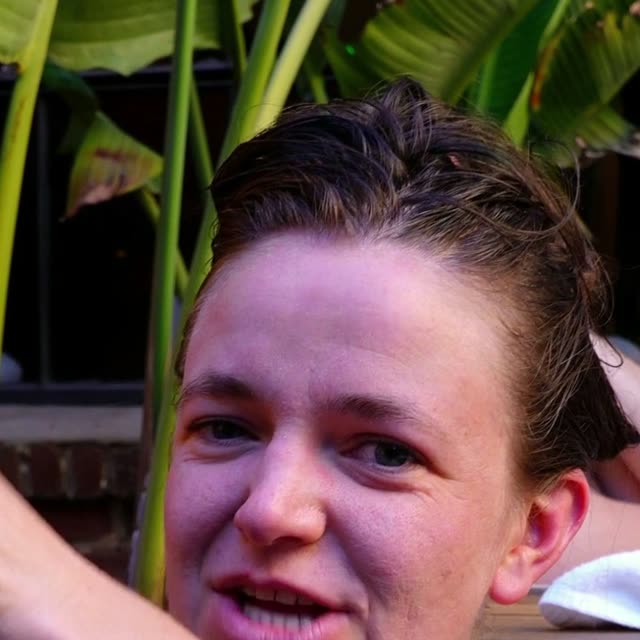
Capella Kerst
Founder & CEO, geCKo Materials
Six one-inch tiles can pull a car.
In the plunge · 3 min