Friends of Kevin · Cold Plunge Interviews · Guest
Rachel Flanagan
Voice-restoration medtech
In the plunge · 4 min
“Think of all the times you speak in a day.”
Rachel helps build a next-generation electrolarynx with AI voice cloning, giving natural, emotive speech back to people who lost their voice to throat cancer or Parkinson's.
Clips
Read the transcript
All right, we're here with Rachel. Rachel, tell me a little bit more about what you're building. We're building an electrolarynx to restore natural speech for people who've lost their voice to throat cancer or Parkinson's disease and other conditions. And why is that important to you? Our founder lost his voice in his 20s to throat cancer, and we wanted to build a way for people with this condition to really fully express themselves and have emotive, natural speech back. And tell me a little bit more about before joining this company, what was that moment that you thought to yourself, be like, I need to work with this founder? What was that for? So I was their mentor in an accelerator two years ago, and whenever I was in Warsaw, I just kept going back and visiting them at the Makerspace when the accelerator was over. And I loved the energy of being there and being part of a company that really makes such a difference in people's lives. That's amazing. And how do you actually measure success in this? Is it number of patients that you've held? What was that success metric for you? Definitely the number of patients who we can restore speech for. And right now, it's the number of countries that we can roll out in. We have reimbursement under the Polish national health system, but we're starting our FDA medical device trials and trying to go into every country that has a large patient population for this. And for when should people think of, let me phrase it this way, what stage do you help people that has that condition? We can help them at any stage. We have a pre-surgery app that people can work with to record their pre-surgery voice using emotional prompts so that we can give them an AI voice clone post-surgery. But we can also work with people who are years post-surgery and just want to upgrade from the very flat robotic voice that older generation devices have. And so what's next for you and the company? Wearables and our AI voice cloning partnership with ElevenLabs. And for the people who don't understand, how important is the ability to talk? It's extremely important. People can lose their larynx to cancer in their 20s. And then be locked out of the job market, be locked out of the ability to have normal relations and communicate and meet people and go to the grocery store. Think of all the times you speak in a day and what you would do if you couldn't speak when you wanted to. And was there a time that you had this problem in your life where you... Where you weren't able to express yourself? Yeah, I've also faced times like that. I have a seizure disorder and sometimes when I come out of it, I don't have full awareness or control over parts of my body. So I really appreciate the importance of building enhancements. For people with disabilities and for all kinds of people who want to enhance their ability. And for somebody who isn't using your technology and face that problem of not being able to talk because of their cancer or any other diseases. What are the current solutions for them right now? There are other electrolarynx on the market, but they give people a very flat robotic voice like Stephen Hawking. So they don't really have... They don't really have the ability to express emotion or to communicate in the way that they used to. And those don't work for everyone. So you've been here... We've been talking for four minutes in this cold plunge. Is this harder than building the startup? No. No, this is easy. It's not easy, but it's easier than a startup. I'm getting used to it. I'm having equilibrium now.
More interviews
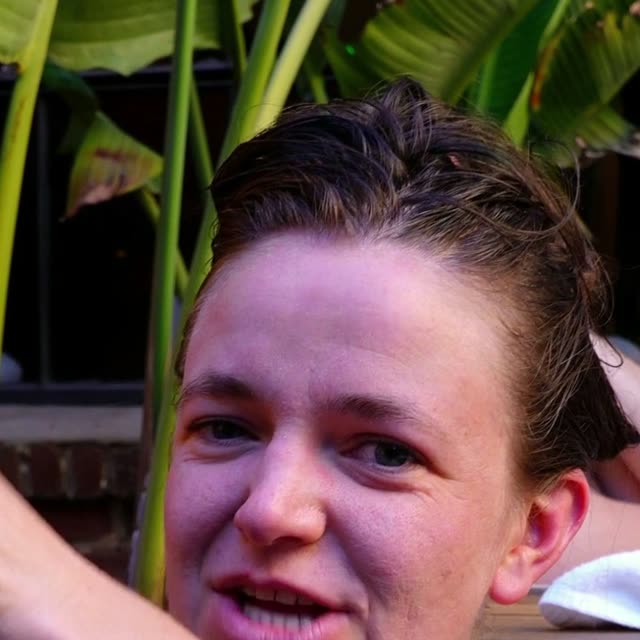
Capella Kerst
Founder & CEO, geCKo Materials
Six one-inch tiles can pull a car.
In the plunge · 3 min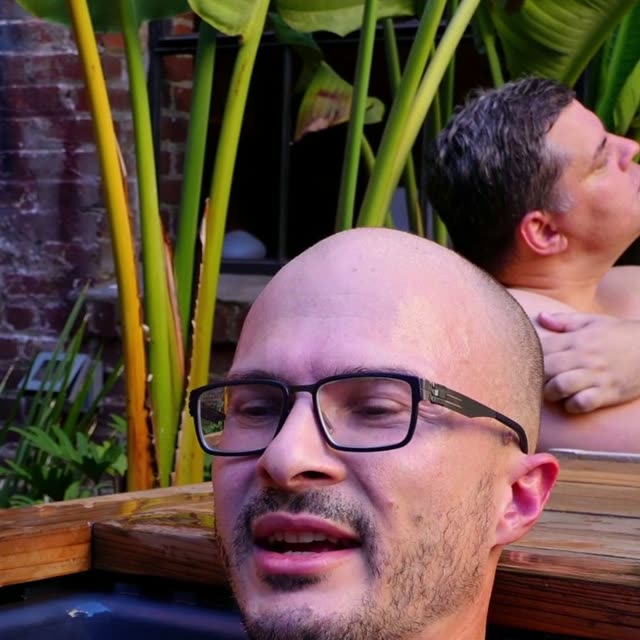
Michael Raybman
CTO, Cold Brew CTO
Build something fast. Whatever it takes.
In the plunge · 3 min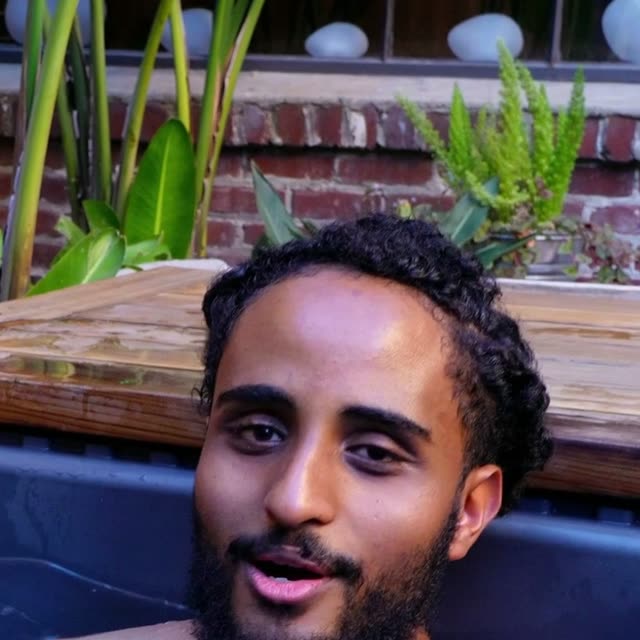
Noah Habtemichael
Founder, GenAIx
Adopting AI is not actually a technical issue. It's actually a human issue.